2026-10-12 · Robert "Bob" Johnson
3. Emergency Roof Tarping Essentials After a Severe Texas Gulf Coast Storm
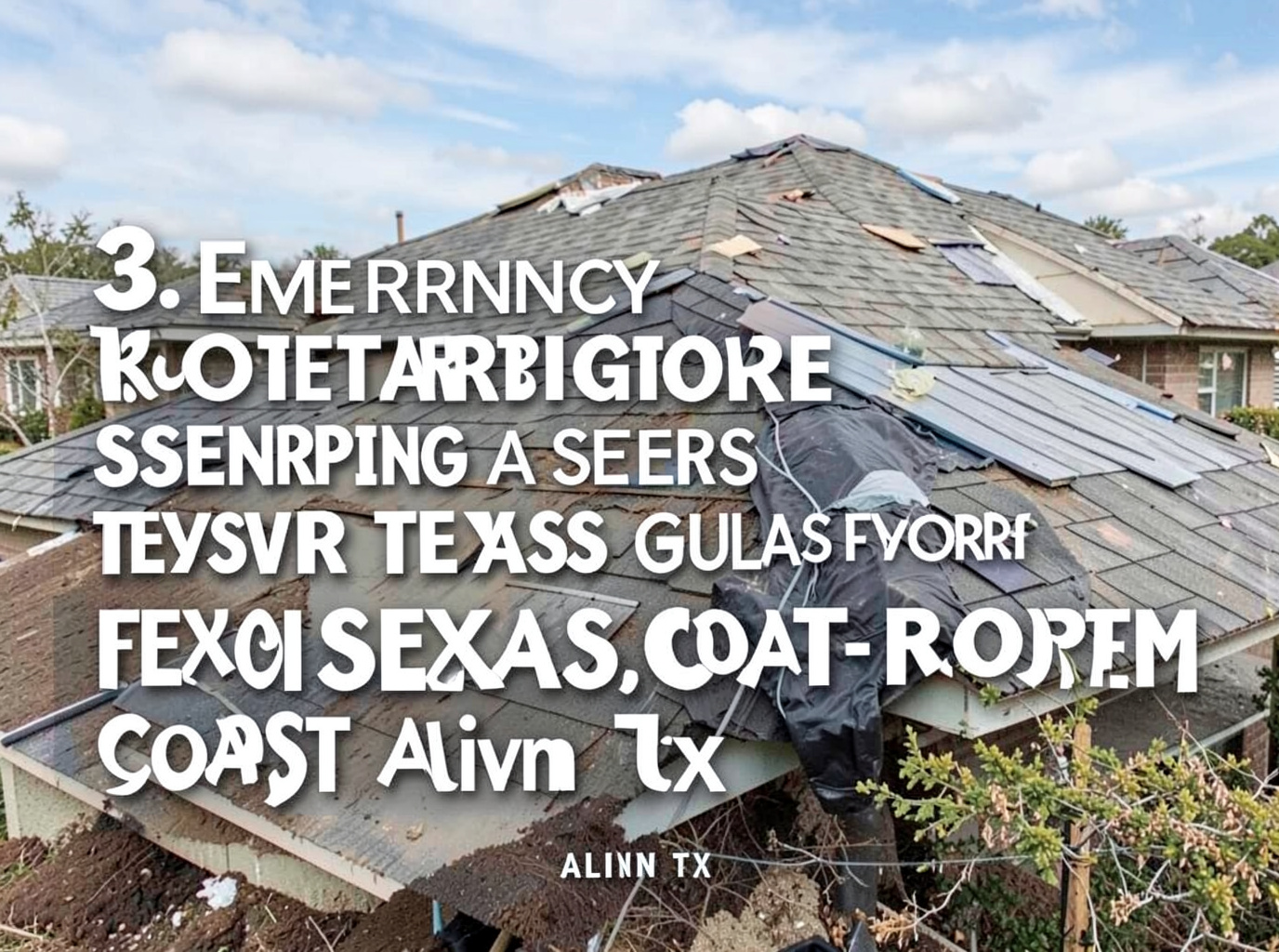
When a severe Texas Gulf Coast storm, like those we frequently experience in Alvin, TX, leaves your roof damaged, emergency tarping is a vital, immediate step. The three essentials for effective emergency roof tarping are rapid assessment of the damage, using the right materials and techniques for a secure, temporary seal, and understanding that this is a short-term solution requiring professional follow-up. Acting quickly can mean the difference between minor repairs and extensive, costly interior damage. In our region, with its intense humidity and frequent heavy rains, even a small opening can lead to significant water damage, mold growth, and compromised structural integrity if not addressed promptly. This is especially true for homes in older neighborhoods like those near the Alvin Historical Museum, where roofing systems might be more susceptible to storm impacts.
1. Rapid Damage Assessment and Safety First
The first essential step is a rapid, yet safe, assessment of your roof damage. After a storm, wait until conditions are completely safe before attempting any inspection. This means no active lightning, high winds, or standing water on the ground that could conceal hazards. From the ground, look for obvious signs of damage such as missing shingles, visible holes, detached flashing around chimneys or vents, or sagging sections of the roof. If you can safely access your attic, check for water stains, drips, or daylight visible through the roof deck. Document everything with photos and videos; this evidence will be crucial for insurance claims later. Remember, safety is paramount. If you're unsure about the stability of your roof or if the damage is extensive, it's always best to contact a professional for a Hail Damage Roof Inspection or a general roof assessment. Trying to DIY a precarious situation can lead to serious injury, especially on wet or compromised surfaces.
For homes throughout Brazoria County, from the older, established areas of Alvin to newer developments closer to Manvel, storm damage can vary widely. High winds often cause missing roof shingles or even tear off entire sections of roofing material. Hail, common in our spring and summer storms, can create impact marks on shingles, compromising their protective granules and leading to future leaks. Even if damage isn't immediately obvious from the ground, a professional inspection can uncover hidden issues that could escalate quickly. This initial assessment helps determine the size and location of the areas needing tarping, guiding your material acquisition and placement strategy.
2. Choosing the Right Materials and Secure Tarping Techniques
Once you've identified the damaged areas, the next essential is selecting appropriate materials and employing correct tarping techniques. Don't skimp on tarp quality; a cheap, thin tarp will likely fail under subsequent Texas weather. Opt for heavy-duty, UV-resistant tarps that are at least 6-mil thick, preferably 10-mil or more. You'll also need 2x4 lumber pieces, screws or nails (longer than 2 inches), a hammer or drill, and possibly some foam insulation or old towels to protect the tarp from sharp edges. The goal is to create a watertight seal that can withstand wind and rain for weeks, or even months, until permanent repairs can be made.
Proper installation involves extending the tarp beyond the damaged area by at least 2–3 feet in all directions. Secure the tarp by rolling the edges around 2x4 lumber strips, creating a "tarp sandwich." This provides a strong anchor point. Position these lumber strips along the edges of the tarp, especially on the windward side and at the top, allowing them to extend beyond the tarp's edge. Then, nail or screw these lumber strips directly into the roof decking or fascia, never just into the shingles. This method provides superior wind resistance compared to simply using sandbags or ropes, which are often inadequate against our Gulf Coast gusts. For complex rooflines or severe damage, consider calling for Emergency Roof Tarping services to ensure it's done right and safely.
3. Understanding Tarping as a Temporary Measure and Next Steps
The final, crucial essential is to understand that roof tarping is strictly a temporary solution. It's designed to prevent immediate water intrusion and mitigate further damage, but it is not a permanent repair. Even the best-installed tarp will eventually degrade from UV exposure, wind abrasion, and temperature fluctuations common in the Alvin, TX area. Most tarps are only effective for a few weeks to a few months at best. Prolonged reliance on a tarp can lead to new problems, including mold growth under the tarp, further damage to the underlying roof structure, and even potential warranty issues with future permanent repairs.
As soon as the immediate emergency is over and the tarp is securely in place, your next step should be to contact a reputable local roofing contractor for a comprehensive Storm Damage Roof Replacement assessment. They can properly evaluate the full extent of the damage, work with your insurance company, and schedule permanent repairs. Delaying this can lead to more extensive and costly issues down the line. Remember, a tarp buys you time, but it doesn't solve the problem. For example, if your home in the Alvin area sustained significant damage from a hurricane or tropical storm, a full roof replacement might be necessary, and the tarp helps protect your home while you navigate the insurance and repair process. For more insights on dealing with storm aftermath, you might find our article on Wind Damage Roof Inspection helpful.